

Articles on Personal Finance and Budgeting
Practical reading that extends and reinforces what you learn in the courses.
How to Do a Monthly Budget Review Without Feeling Overwhelmed
A monthly review is one of the most valuable habits in personal finance. Here is a simple framework for making it feel manageable rather than stressful. The key is separating observation from judgment.

Why an Emergency Fund Is the First Financial Goal Worth Having
Before investing, before paying down debt aggressively, there is a case for building a small reserve first. This article explains the reasoning and addresses the common objection that you cannot afford to save right now.
The Hidden Budget Breakers: Irregular Expenses and How to Plan for Them
Car insurance, school supplies, holiday gifts. These costs arrive every year yet still catch many households off guard. A sinking fund approach can change that entirely.
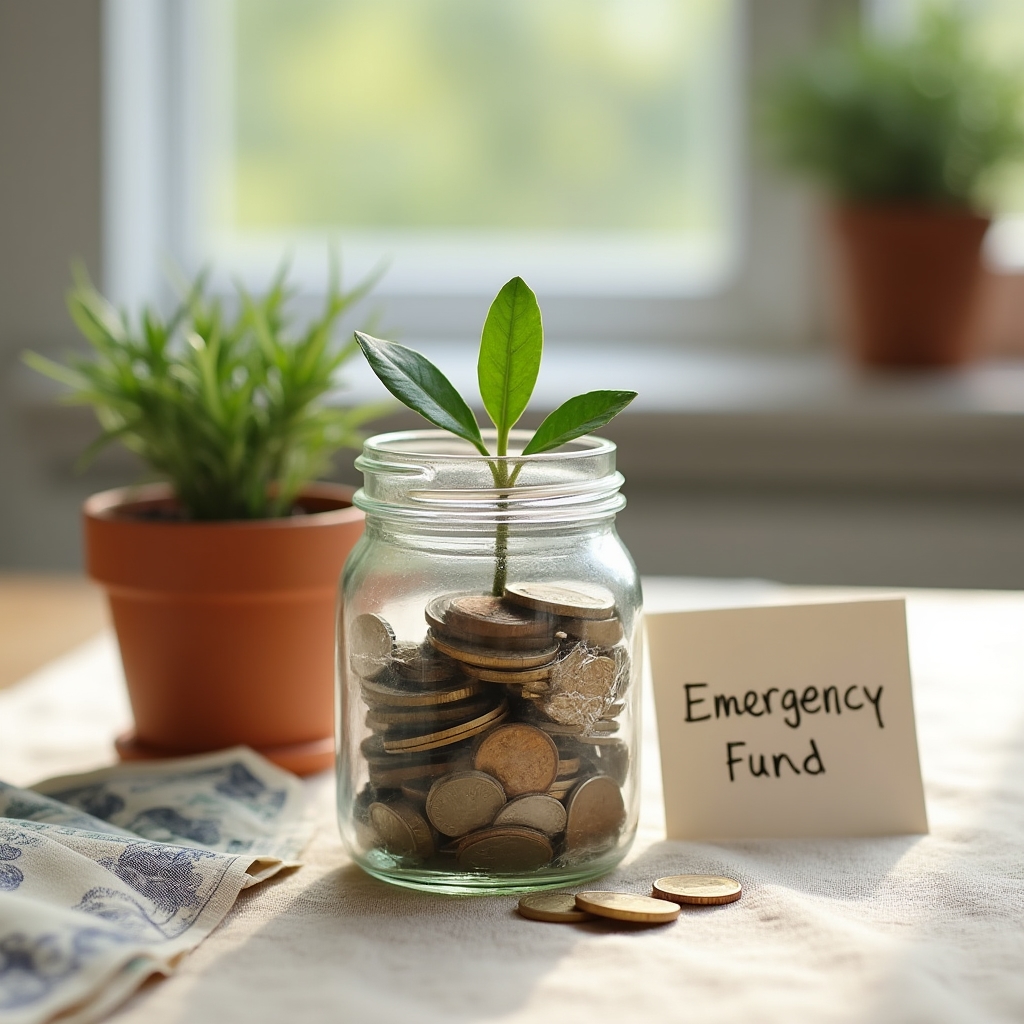
Small Amounts, Consistent Habits: How Incremental Saving Works
The psychological barrier to starting a savings habit is often larger than the financial one. Understanding how small, regular contributions accumulate over time can shift your perspective on what is possible from your current income.
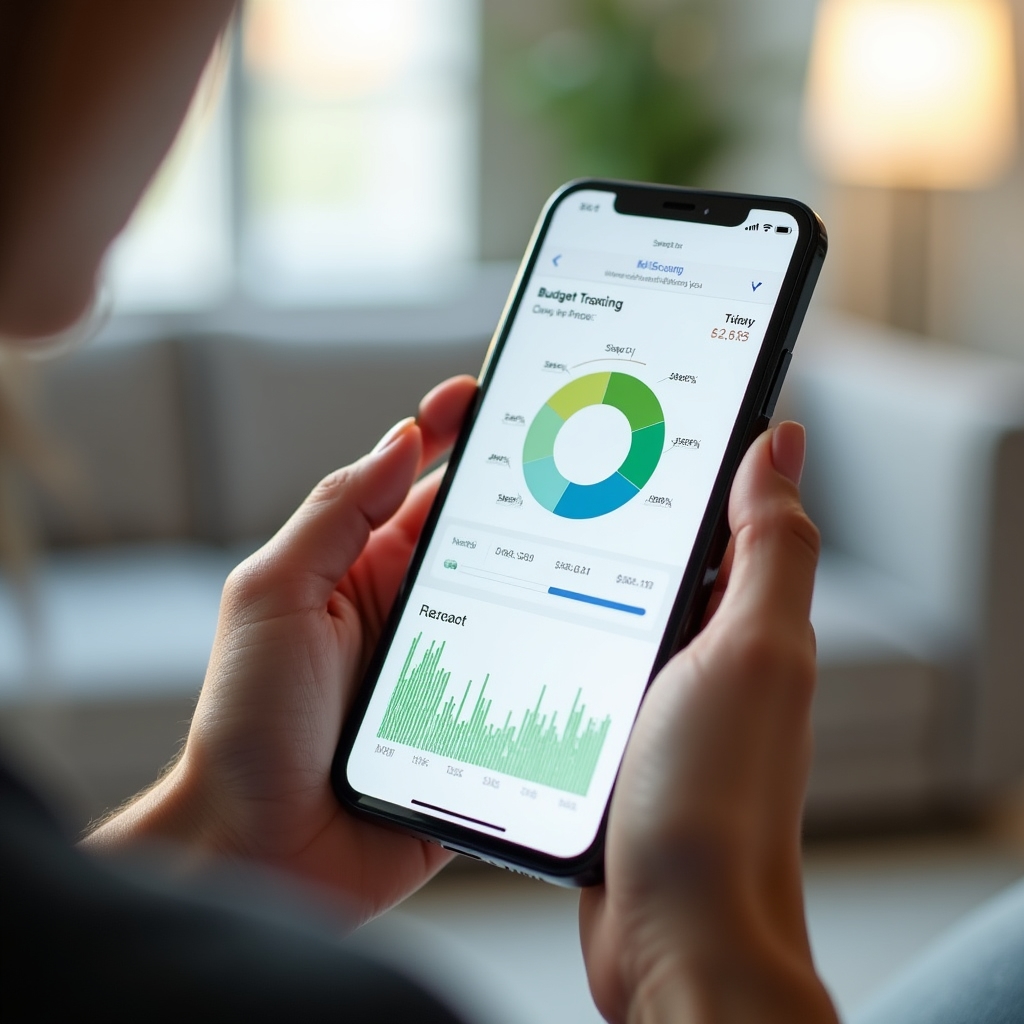
Tracking Expenses: Paper, Spreadsheet, or App? A Practical Comparison
There is no single right tool for expense tracking. The right tool is the one you will actually use consistently. This article walks through the practical considerations for each approach without recommending any specific product.
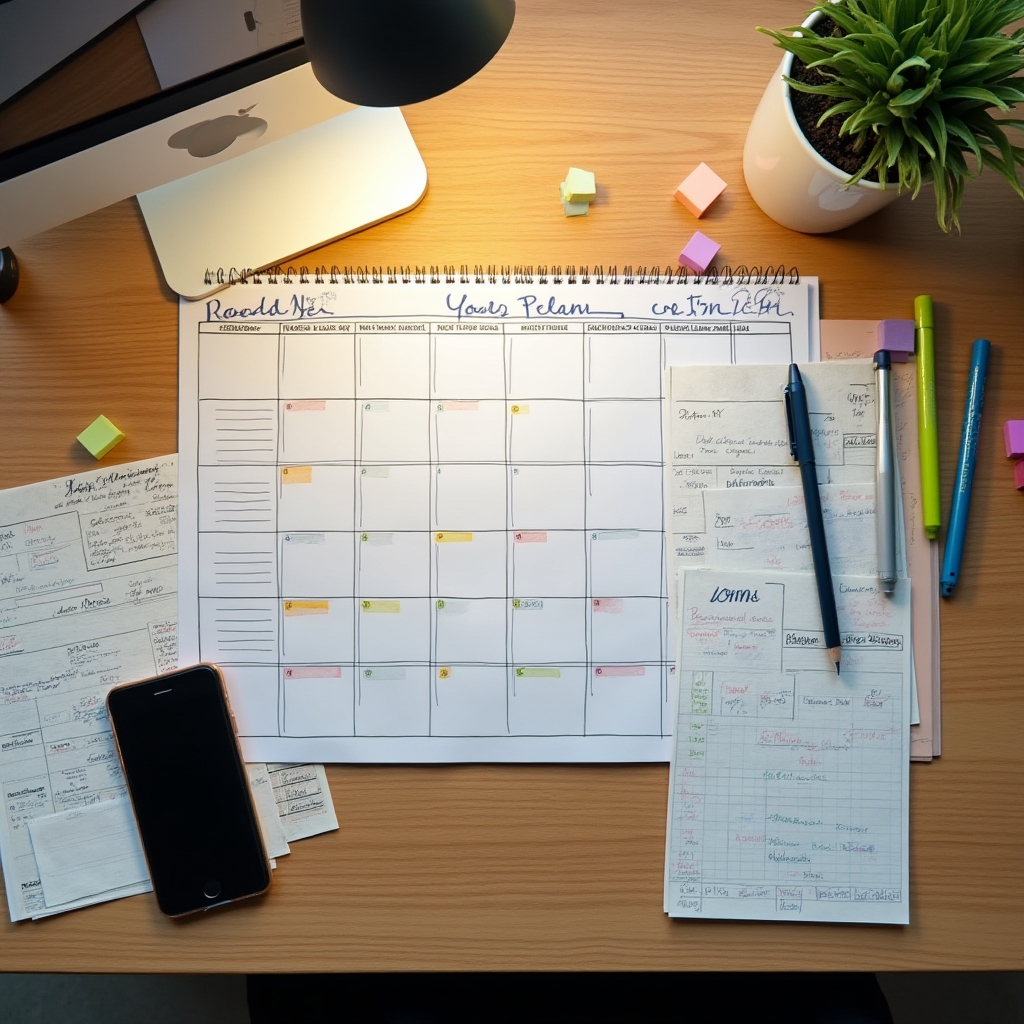
Connecting Daily Spending to Long-Term Financial Goals
One reason budgets fail is that they feel disconnected from anything meaningful. When your daily spending decisions are linked to specific goals you care about, the whole process becomes more coherent and easier to maintain.